Legacy Software Modernization Services

Modernize Your Legacy Software Without Putting Your Business on Hold Your legacy application may still run critical parts of your business—but outdated frameworks, undocumented dependencies, unsupported components, and difficult-to-maintain code can make every change increasingly risky. Facile Technolab helps organizations modernize legacy .NET, ASP.NET Web Forms, Classic ASP, WCF, ColdFusion, and PHP applications into modern, maintainable architectures using technologies such as ASP.NET Core, modern .NET, Azure, Angular, and modern APIs. Our discovery-first, phased modernization approach helps preserve business logic, reduce migration risk, and deliver working functionality incrementally instead of relying on a single high-risk rewrite or cutover.

Mars Research Logo
Client 10
Client2 Hover
Thumbnail Logo Intomedical

Is Your Legacy Application Holding Your Business Back?

Legacy software doesn't necessarily need to be replaced just because it is old.

The problem starts when the technology makes it increasingly difficult to operate, secure, integrate, or improve the system.

You may be dealing with:

  • Unsupported frameworks, libraries, or operating environments
  • Developers who no longer understand the original codebase
  • Undocumented business rules and dependencies
  • Slow or unreliable application performance
  • Security and compliance concerns
  • Difficulty integrating with modern APIs and services
  • Increasing infrastructure and maintenance costs
  • Long development cycles for seemingly simple changes
  • Legacy databases or data structures that are difficult to work with
  • Applications that cannot easily move to the cloud
  • Monolithic architectures that have become difficult to scale
  • A previous vendor or development team that is no longer available
  • An acquired application that does not fit your current technology strategy

If the software still contains valuable business logic and supports important workflows, modernization may be a safer and more practical option than starting from scratch.

What Is Software Modernization?

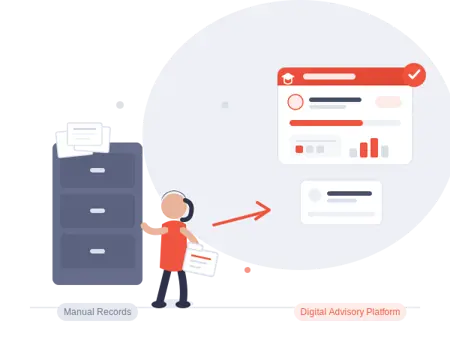
Software modernization is the process of improving an existing application so it can meet modern requirements for security, maintainability, performance, scalability, integration, and deployment—while preserving the business capabilities and data your organization depends on.

Depending on the application, modernization can involve:

  • Updating legacy frameworks and runtimes
  • Refactoring or restructuring existing code
  • Moving from .NET Framework to modern .NET
  • Migrating ASP.NET Web Forms or MVC applications
  • Replacing WCF services with modern APIs
  • Replacing legacy frontend architectures
  • Modernizing databases and data access
  • Moving applications to Azure or other cloud infrastructure
  • Introducing modern CI/CD practices
  • Improving authentication and authorization
  • Modernizing integrations
  • Decomposing parts of a monolithic application
  • Improving application performance and reliability

Modernization does not mean rewriting everything.

We first determine what should be retained, refactored, replaced, migrated, or rebuilt based on business value and technical risk.

What Types of Legacy Applications Can We Modernize?

Most of our modernization engagements start with one of these technology situations:

Classic ASP to ASP.NET Core

Modernize applications built with Classic ASP, VBScript, COM components, and IIS-based architectures into modern C# and ASP.NET Core applications.

Because Classic ASP systems can contain deeply embedded COM dependencies and undocumented business logic, we assess these dependencies before determining the migration strategy.

.NET Framework to Modern .NET

Modernize older ASP.NET MVC, Web Forms, and other .NET Framework applications toward current .NET and ASP.NET Core architectures.

The migration strategy depends on application architecture, dependencies, database design, integrations, and the amount of legacy functionality that needs to be preserved.

ASP.NET Web Forms to ASP.NET Core

Move Web Forms applications toward modern architectures such as ASP.NET Core MVC, Razor Pages, Blazor, or other appropriate approaches.

For large applications, functionality can be migrated incrementally so that the existing system continues supporting users while modernized components are introduced.

WCF to ASP.NET Core

Modernize Windows Communication Foundation services toward REST APIs, gRPC, or CoreWCF where appropriate.

The migration includes consideration of existing contracts, authentication, bindings, service dependencies, consuming applications, and compatibility requirements.

ColdFusion to ASP.NET Core

Migrate legacy ColdFusion applications toward modern C# and ASP.NET Core architectures.

Our ColdFusion modernization experience includes preserving existing dealer, organization, event, membership, and operational data while transitioning a business-critical application to a cloud-based architecture. The project delivered a modern Angular frontend, ASP.NET Core backend, Azure SQL, CI/CD, and improved operational automation.

PHP to ASP.NET Core

For organizations that have standardized their technology ecosystem around Microsoft and Azure, we can assess and migrate suitable enterprise PHP applications toward ASP.NET Core.

The decision should be driven by business and technical requirements not by technology preference alone.

Modernization or Rewrite? We Help You Choose the Right Path

A full rewrite isn't automatically the best answer to a legacy software problem.

A rewrite discards the existing implementation and builds a new system. That can make sense for some applications, but it can also introduce significant risk when the existing system contains years of accumulated business rules that aren't documented anywhere else.

Modernization allows those capabilities to be transformed incrementally.

SituationPotential approach
Valuable business logic but outdated technologyModernization
Manageable technical debtIncremental modernization
Large application that cannot easily go offlinePhased migration
Specific legacy components causing problemsComponent modernization
Well-defined application with limited reusable logicRewrite may be appropriate
Legacy architecture that is fundamentally unmaintainableSelective rewrite or replacement

Our starting point is not "How do we rewrite this?"

What is the safest and most commercially sensible way to move this application forward?

For large systems, we may use a phased approach such as the Strangler Fig pattern, allowing modernized functionality to coexist with the legacy system during migration.

Start With a Legacy Application Assessment

Before changing production code, we first need to understand what you already have.

A modernization assessment helps uncover the risks and dependencies that are often invisible from the outside.

What We Assess

  • Codebase: Technology versions, application structure, modules, technical debt, maintainability, and modernization complexity.
  • Dependencies: Third-party libraries, COM components, external APIs, integrations, services, and other application dependencies.
  • Database: Database platform, schema, data volume, data relationships, stored procedures, data-access patterns, and migration considerations.
  • Infrastructure: Servers, hosting environment, deployment process, environments, operating systems, networking, and operational dependencies.
  • Business Logic: Critical workflows, undocumented rules, calculations, validation logic, and functionality that cannot be lost during migration.
  • Security: Authentication, authorization, unsupported dependencies, infrastructure risks, and areas requiring additional security controls.

What You Receive

The assessment can produce:

  • Current-state technical assessment
  • Application and dependency inventory
  • Risk register
  • Modernization recommendations
  • Target architecture
  • Migration strategy
  • Phased roadmap
  • Estimated timeline
  • Estimated investment
  • Recommended next steps

Don't know whether your application needs modernization, a rewrite, or replacement?

Start with the assessment →

Our Low-Risk Software Modernization Process

We follow a structured delivery process built around one principle:

Your production system should remain operational throughout the modernization wherever the architecture allows it.

Every engagement starts with understanding what exists before changing it.

1. Discovery & Assessment

We review your existing codebase, map dependencies, analyze databases and infrastructure, identify undocumented business logic, and understand the application's critical workflows.

You receive a clear view of migration complexity, risks, recommended approach, timeline, and estimated investment before full development begins.

2. Architecture & Migration Planning

We design the target architecture and select the migration pattern appropriate for your application.

Depending on the system, this may include:

  • Strangler Fig migration
  • Component-by-component modernization
  • Parallel application development
  • Incremental API replacement
  • Selective rewrite
  • Database modernization
  • Cloud migration

We define migration phases, acceptance criteria, testing strategy, dependencies, and release plans before development begins.

3. Phased Migration & Delivery

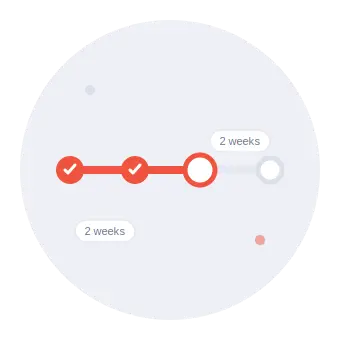
Development is organized into two-week sprints, with working and testable output delivered incrementally.

Rather than waiting months for one final cutover, modernized functionality can be validated and released progressively.

Where appropriate, the legacy application remains available as a fallback while migration continues.

4. Validation & Production Release

Each migrated component is tested against the existing application's expected behavior.

We validate:

  • Functional requirements
  • Business rules
  • Data integrity
  • Integrations
  • Performance
  • Security
  • User workflows

The objective is not simply to create newer code. It is to ensure the modernized system continues doing what the business needs.

5. Handover & Documentation

At completion, your team receives the materials required to own and operate the modernized application.

This can include:

  • Source code
  • Architecture documentation
  • Deployment documentation
  • Environment configuration
  • Deployment runbooks
  • Technical documentation
  • Knowledge transfer

6. Stabilization & Ongoing Support

After production release, we help stabilize the modernized system and address issues that surface during real-world operation.

Our standard post-launch stabilization period is typically 30–60 days, followed by an ongoing maintenance or development arrangement where required.

Industries Where Legacy Modernization Matters

Modernization becomes particularly challenging when software isn't simply an internal tool—it runs important business operations.

We've worked on modernization scenarios involving:

Manufacturing

Production scheduling, inventory, MES integrations, quality reporting, and operational workflows often depend on applications that have been running for years.

Modernization needs to respect operational continuity.

Healthcare

Patient-facing applications and operational systems require particular attention to security, data integrity, interoperability, and availability.

Financial Services & FinTech

Legacy financial applications often contain critical calculations, compliance rules, transaction workflows, and undocumented business logic.

Modernization needs to preserve those rules while improving maintainability and enabling new capabilities.

Information Technology

Product companies frequently inherit older applications through acquisitions, previous development teams, or early versions of products that have outgrown their original architecture.

Modernization Case Studies

software modernization redesign

Modernization of a Legacy ColdFusion Web Application Featured Case Study

A business-critical ColdFusion application needed to support evolving business processes while preserving years of existing dealer, organization, event, membership, and operational data.

Facile Technolab modernized the application into a cloud-based architecture using Angular, ASP.NET Core, Web API, Azure SQL, and CI/CD.

    Results:
  • 60% automation
  • 6× employee productivity
  • 10× improved and easier event registration
  • Cloud-based architecture with automated backups
Read the ColdFusion modernization case study

FinTech Modernization & SaaS Development Case Study

A legacy payroll and attendance application required modernization while preserving its existing business functionality.

The engagement involved legacy technology, application assessment, modernization, and development toward a modern SaaS platform.

Read the FinTech modernization case study

software modernization redesign

College Planning Platform Modernization Case Study

A collection of legacy web applications used for college planning required modernization and improved operational workflows.

The project demonstrates how modernization can go beyond framework upgrades to improve the underlying business processes and user experience.

Read the College Planning modernization case study

Start Your Modernization Journey With a Free Assessment

Facile Technolab offers end-to-end software modernization services from assessment and strategy to implementation, testing, and post-launch support. Engagements are tailored to your legacy stack, risk profile, and business timeline.

Trusted by Delivery Quality

Facile Technolab is trusted by product and IT teams that need modernization done carefully - without breaking critical workflows. Clients value our structured execution, clear communication, and Microsoft-first engineering approach for long-lived systems.

Client Retention Score of Facile Technolab

97%

Client Retention
Client Referral Score of Facile Technolab

85%

Referral Clients
Project Success Score of Facile Technolab

100%

Projects Delivered
Client Reviews of Facile Technolab

31

Verified Reviews

What Does Software Modernization Cost?

There isn't a meaningful single price for modernization because the complexity of a legacy application can vary dramatically.

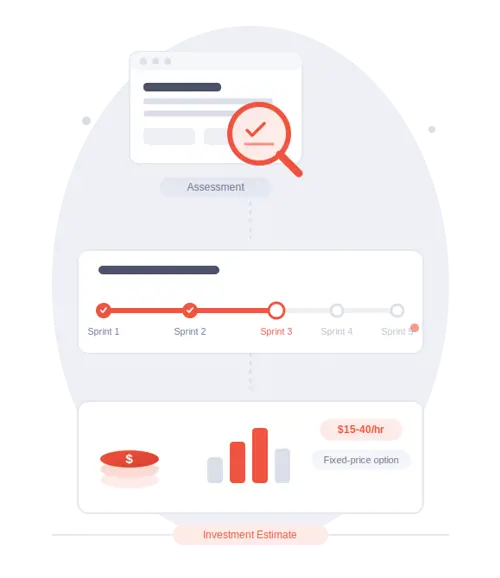
Facile Technolab currently offers modernization engagements through staff augmentation/dedicated teams at approximately $15–$40 USD/hour, depending on seniority and technology stack. Fixed-price phased engagements are also available.

For fixed-price projects, work can be divided into two-week delivery sprints and milestones, allowing progress to be reviewed incrementally.

For applications with significant undocumented dependencies, we recommend beginning with an assessment before estimating the complete migration.

  • The assessment helps determine:
  • How much of the existing system can be retained
  • Which components need replacement
  • Migration complexity
  • Integration risks
  • Data migration requirements
  • Target architecture
  • Required development effort
  • Project timeline
  • Overall investment

Request a Modernization Assessment →

Software Modernization Cost
Software Modernization Timeline

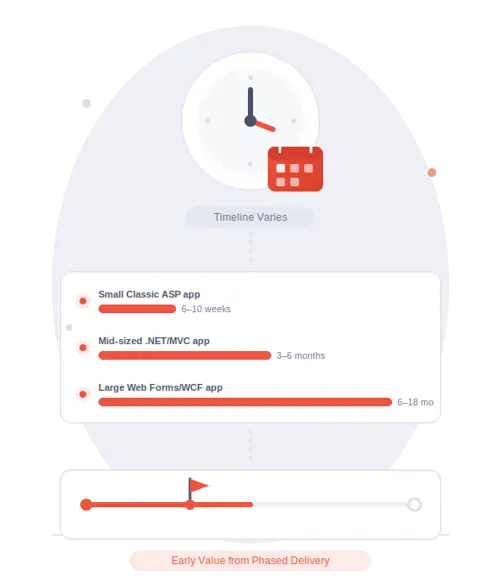
How Long Does Software Modernization Take?

Modernization timelines depend on application size, technology, dependencies, integrations, data complexity, and the selected migration strategy.

As an indicative guide:

Application scenarioIndicative timeline
Small Classic ASP application6–10 weeks
Mid-sized .NET Framework/MVC application3–6 months
Large Web Forms/WCF application with complex integrations6–18 months

These are indicative ranges, not fixed commitments.

The most reliable way to establish a timeline is to assess the existing application first.

A phased modernization also means that useful functionality can be delivered before the entire application has been migrated.

Why Facile Technolab for Software Modernization?

Microsoft-Stack Modernization Expertise

Our strongest specialization is helping organizations move aging Microsoft and enterprise applications into modern, maintainable architectures. We combine legacy application assessment, modernization architecture, phased migration, and ongoing engineering support to reduce technical risk while preserving critical business functionality.

Discovery Before Development

We don't recommend a migration strategy based solely on the technology name. We first understand the codebase, dependencies, data, infrastructure, business logic, and operational requirements.

Phased Delivery
Phased Delivery

Modernization is divided into manageable milestones and two-week development sprints rather than relying on a single final delivery.

Business Continuity
Business Continuity

Where technically feasible, legacy and modernized components can operate together during migration.

Long-Term Ownership
Long-Term Ownership

You receive source code, documentation, deployment information, and knowledge transfer rather than being dependent on a black-box implementation.

Proven Delivery Experience

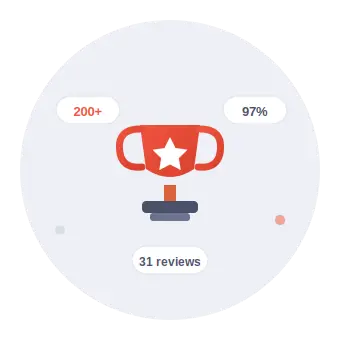
Facile Technolab reports 200+ projects delivered, 97% client retention, 85% referral clients, and 31 verified Clutch reviews.

Recent Legacy Software Modernization Services Articles

.NET 6 .NET 8 ASP.NET Core Modernization

.NET 8 vs .NET 6: Should You Upgrade?

.NET 8 vs .NET 6 compared. Support timelines, performance gains, and breaking changes. A practical guide to deciding when and how to upgrade.

Monday, July 6, 2026
ASP.NET Core ASP.NET MVC Modernization Digital Transformation

ASP.NET MVC to ASP.NET Core Migration NuGet Packages: Modernization Guide

A guide for CTOs, architects, and engineering leaders planning legacy modernization. Find out which NuGet packages can be upgraded, replaced, removed, or redesigned based on real-world migration experiences.

Tuesday, June 9, 2026
Microsoft .NET digital transformatio Modernization

Modernizing Legacy .NET Applications Without Disrupting Operations

Discover how to modernize legacy .NET applications without operational disruption using zero-downtime strategies, phased migration, and best practices from Facile Technolab.

Monday, February 9, 2026
Software Modernization

How Legacy Modernization Can Transform Your Business

Read how how IT leaders transform operations with legacy modernization. Real case studies & strategies prove its impact on growth, automation & scalability.

Wednesday, August 27, 2025
Software Modernization ASP.NET Core Cloud Migration

A CTO’s Roadmap to Modernizing Legacy Systems with .NET 8 & Azure

A step-by-step guide for CTOs to modernize legacy systems using .NET 8 and Microsoft Azure. Learn strategy, tools, timelines, and expected ROI.

Saturday, August 2, 2025
Enterprise Web Development SaaS Development Modernization

Migrating a legacy Windows application to Enterprise SaaS

Many enterprises still rely on aging Windows applications that no longer scale. This guide walks IT leaders through a proven roadmap to migrate legacy apps to modern, cloud-native SaaS platforms.

Friday, July 25, 2025
Classic ASP Software Modernization ASP.NET Core Enterprise Web Development

Converting Classic ASP to ASP.NET Core: A Practical Migration Guide

Proven 5-phase framework to modernize legacy ASP apps. Eliminate security risks, reduce costs, boost performance. Includes migration strategies for COM, VBScript & databases.

Tuesday, July 8, 2025
Software Modernization Enterprise Web Development

Migrating Enterprise PHP Web Applications to ASP.NET Core

This article provides a step by step process of migrating your enterprise php web applications to ASP.NET Core.

Tuesday, June 3, 2025
Wednesday, June 11, 2025
Software Modernization Enterprise Web Development Service Oriented Architecture Windows Communication Foundation ASP.NET Core

Migrating Legacy WCF Applications to ASP.NET Core: Modernizing Enterprise Communication

This blog article explains the why, how, and what’s next for enterprises to migrate from WCF to ASP.NET Core, offering actionable choices to future-proof communication layers while preserving business logic.

Monday, May 12, 2025
Modernization ColdFusion ASP.NET Core

Migrating Legacy ColdFusion Applications to ASP.NET Core

This article explores the strategic migration of ColdFusion applications to ASP.NET Core, offering actionable insights for technical leaders and decision-makers.

Thursday, May 8, 2025
Enterprise Web Development ASP.NET Core Software Modernization

Migrating Legacy Enterprise Web Applications to ASP.NET Core

Find out the strategic path to think about migrating your legacy enterprise web applications to asp.net core.

Tuesday, April 22, 2025

Case Studies & Success Stories

See how teams modernized legacy systems with Facile Technolab—improving performance, security, maintainability, and cloud readiness. Our case studies highlight phased modernization approaches, integration considerations, and measurable operational impact across operations-heavy industries.

Frequently Asked Questions about Software Modernization

Explore common questions about software modernization and learn more about how Facile Technolab can help you modernize your software infrastructure for enhanced business outcomes.

What is the difference between software modernization and a rewrite?

What is the difference between software modernization and a rewrite? Modernization preserves and transforms existing business logic - it's a phased process that keeps production systems running while gradually converting components. A rewrite discards the existing codebase and builds from scratch, which is faster to scope but carries more risk for complex enterprise systems with years of accumulated business rules. Most of our engagements use a phased modernization approach (Strangler Fig pattern) rather than a full rewrite, because it allows continuous validation and avoids a single high-risk cutover. A full rewrite is occasionally the right answer - typically when the legacy codebase is so poorly structured that incremental improvement is not viable.

How long does legacy software modernization take?

It depends entirely on the legacy platform, application size, and complexity. A small Classic ASP application (under 20 pages) might take 6–10 weeks. A mid-size .NET Framework MVC application typically takes 3–6 months. A large enterprise Web Forms or WCF system with complex integrations commonly takes 6–18 months. The most reliable way to scope a modernization project is a structured assessment phase - we review the codebase, identify dependencies, and provide a detailed timeline before any development begins.

Can you modernize our system without taking it offline?

In most cases yes. The Strangler Fig pattern allows phased migration where the legacy system and the modernized system run simultaneously, with a reverse proxy routing traffic to the appropriate application. New or migrated functionality goes to the modern system; unmigrated sections remain on the legacy system. This approach is standard for Classic ASP, Web Forms, and WCF migrations where operational continuity is the primary constraint.

Do you specialize in Microsoft legacy systems specifically?

Yes. Our core specialization is Microsoft-stack modernization - Classic ASP, ASP.NET Web Forms, ASP.NET MVC, .NET Framework, and WCF to ASP.NET Core, Blazor, and Azure. We also modernize ColdFusion and PHP applications to ASP.NET Core where the organization has chosen to standardize on the Microsoft stack. We don't modernize systems to non-Microsoft targets - if you're looking for PHP-to-Node.js or ColdFusion-to-Ruby migrations, we're not the right fit.

What are legacy software modernization services?

Legacy software modernization services improve outdated applications so they meet modern requirements for security, performance, maintainability, and scalability—often by modernizing architecture and moving to platforms like ASP.NET Core and Azure.

What does a modernization assessment include?

Our assessment covers: codebase inventory (technology versions, LOC, module structure), dependency mapping (third-party libraries, COM objects, external integrations), database analysis (platform, schema quality, data volume), risk identification (undocumented logic, security vulnerabilities, unsupported dependencies), and a recommended migration path with phased timeline and cost estimate. For Classic ASP and COM-heavy applications, the COM dependency assessment is the most critical component - it's what most determines migration complexity and timeline.

How much does software modernization cost?

Software modernization costs vary significantly depending on application size, technology, code quality, dependencies, integrations, database complexity, and the migration strategy. Facile Technolab offers modernization engagements through dedicated teams or staff augmentation at approximately $15–$40 USD per hour, depending on the required skills and technology stack. Fixed-price phased engagements are also available. For complex legacy applications, we recommend an assessment before estimating the complete modernization because undocumented dependencies and business logic can significantly affect scope.

How long does legacy software modernization take?

Modernization timelines depend on the size and complexity of the application, its technology stack, integrations, database, and selected migration approach. As indicative ranges: - Small Classic ASP application: approximately 6–10 weeks - Mid-sized .NET Framework/MVC application: approximately 3–6 months - Large Web Forms or WCF application with complex integrations: approximately 6–18 months These are indicative ranges rather than fixed commitments. A phased approach can also allow working functionality to be delivered before the entire legacy application has been migrated.

Ready to Modernize Your Legacy Application?

You don't need to decide between "keep the legacy system forever" and "rewrite everything." The right answer starts with understanding what you already have. We'll assess your application, identify the risks and dependencies, recommend an appropriate modernization strategy, and define a practical roadmap for moving forward. Let's determine what your legacy application needs.

Connect with us